
Why are bees important to our world?
Many people think of honey when they consider bees. However, the importance of bees extends far beyond delicious honey. Bees are essential workers performing a vital role every single day.
They support global food production and maintain healthy, thriving ecosystems. We truly cannot survive without these buzzing insects. Their contribution to our planet is simply irreplaceable.
Why Are Bees Important For Our Global Food Supply?
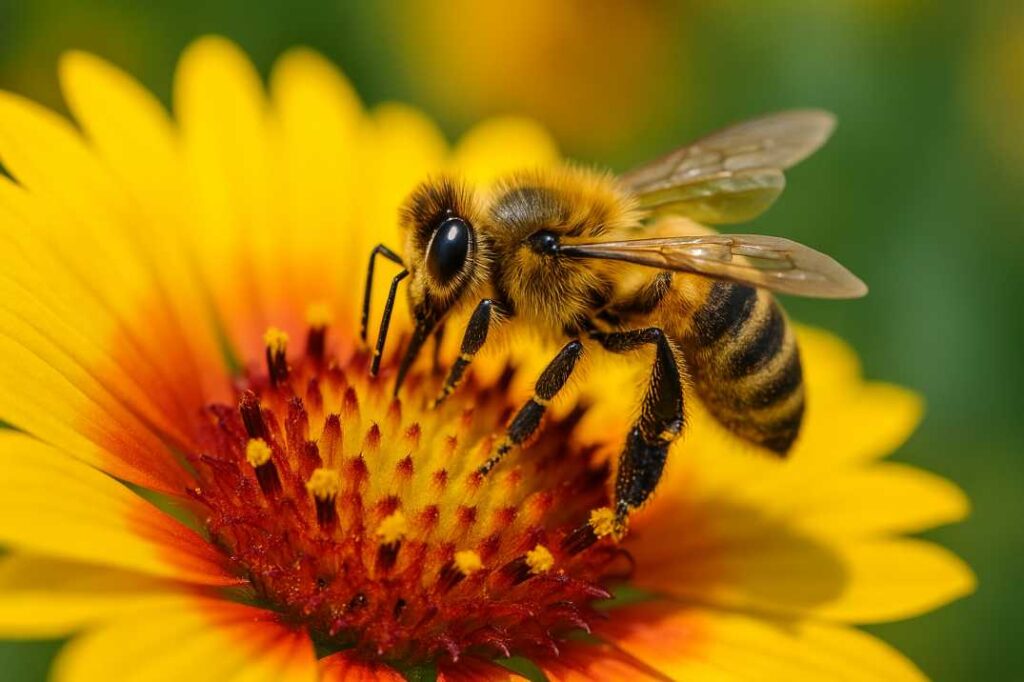
We owe a debt of gratitude to bees for our diverse dinner plates. These tiny powerhouses are responsible for most of the food we eat. Bees perform an ecosystem service called pollination that allows plants to reproduce. This process is necessary for producing many fruits, vegetables, and nuts worldwide. Without bees, many favorite foods would become scarce or disappear entirely.
Bees are crucial to many major food crops
About one-third of the global food supply relies on animal pollination. Bees carry pollen from one flower to another, enabling plant fertilization. For instance, almonds grown in California depend entirely on honey bee pollination. Similarly, coffee production in Central America would suffer without their diligent work. Look closely at your next meal to see the impact of bees.
Bee pollination boosts crop yield and quality
Pollination from bees does not only enable crops to grow. It also significantly improves the quality and quantity of the harvest. Studies show bee activity leads to larger, better-shaped fruits with more seeds. For example, strawberry and blueberry crops often see higher yields with increased bee visits. Farmers worldwide rely on this free, natural service to succeed. The economic value of this single action is staggering.
Why Are Bees Important For Maintaining Biodiversity?
Beyond agriculture, bees play a critical role in preserving life on Earth. They are essential to the complex web of nature, not just our crops. Bees help maintain the biodiversity that makes ecosystems strong. This natural variety makes the planet resilient to changes in the environment. Losing bees causes a ripple effect of loss in nature.
Bees support the growth of wild flora and native plants
Bees pollinate nearly 90% of the world’s flowering plant species. These plants form the foundation of most natural habitats. In the Amazon rainforest, various native bee species ensure the reproduction of countless trees. These trees then support thousands of other plant and animal species. They provide shelter and food for entire animal communities.
They form a foundational link in the food chain
Bees themselves are a vital food source for many creatures. Birds like the European bee-eater rely on bees for their survival. Spiders, small mammals, and other insects also consume bees and their larvae. When a bee population declines, its predators also face starvation. This demonstrates why are bees important to the whole ecosystem.
Why Are Bees Important To Our Economic Stability?
The sheer value of bee pollination to the world economy is immense. Their work translates directly into billions of dollars in agricultural output. Beekeeping, also called apiculture, provides jobs and supports many industries. Protecting bees is a sensible financial decision for every nation. Ignoring their decline represents an enormous financial risk.
Bee pollination saves farmers billions globally
Experts estimate the global economic value of bee pollination at hundreds of billions of US dollars annually. If bees disappeared, manual pollination would be necessary. This process is time-consuming, difficult, and incredibly expensive. The cost of labor would increase food prices dramatically. This would devastate the agricultural sector and consumer budgets.
The industry of beekeeping provides valuable products
Beekeepers manage colonies for both pollination services and hive products. Honey is the most obvious product, valued for its natural sweetness and health benefits. People use beeswax for cosmetics, candles, and medical products. Propolis, another bee product, has been used in traditional medicine for centuries. These products create entire global markets. Just like hive products drive global demand, certain consumer gadgets shape global trends too. You can read why are iPhones are so popular to learn more about such trends.
Why Are Bees Important as Environmental Indicators?
Bees serve as excellent indicators of the overall health of our environment. Their small size makes them highly sensitive to changes in their surroundings. Observing bee populations gives scientists crucial insights into pollution levels. A declining bee population is an urgent warning sign for humanity.
Bee health reflects the impact of pesticide use
The widespread use of certain pesticides directly harms bee colonies. Scientists monitor bees to track chemical exposure across different landscapes. A sudden decline in bees in a region signals high pesticide contamination. This warning allows us to take corrective action before it severely impacts human health.
Changes in bee behavior indicate climate change effects
Bees’ life cycles and foraging habits are closely tied to weather patterns. Unpredictable seasons disrupt the timing of flower blooms and bee activity. Warmer winters may cause early emergence before food is available. Consequently, researchers study bee activity to measure the effects of a rapidly changing climate.
Why Are Bees Important Beyond Honey Production?
While honey is a wonderful gift, bees offer so much more than this sweet treat. They contribute to our textile industry and the quality of our soils. Their influence permeates every corner of the natural world.
Bees contribute to global fiber production
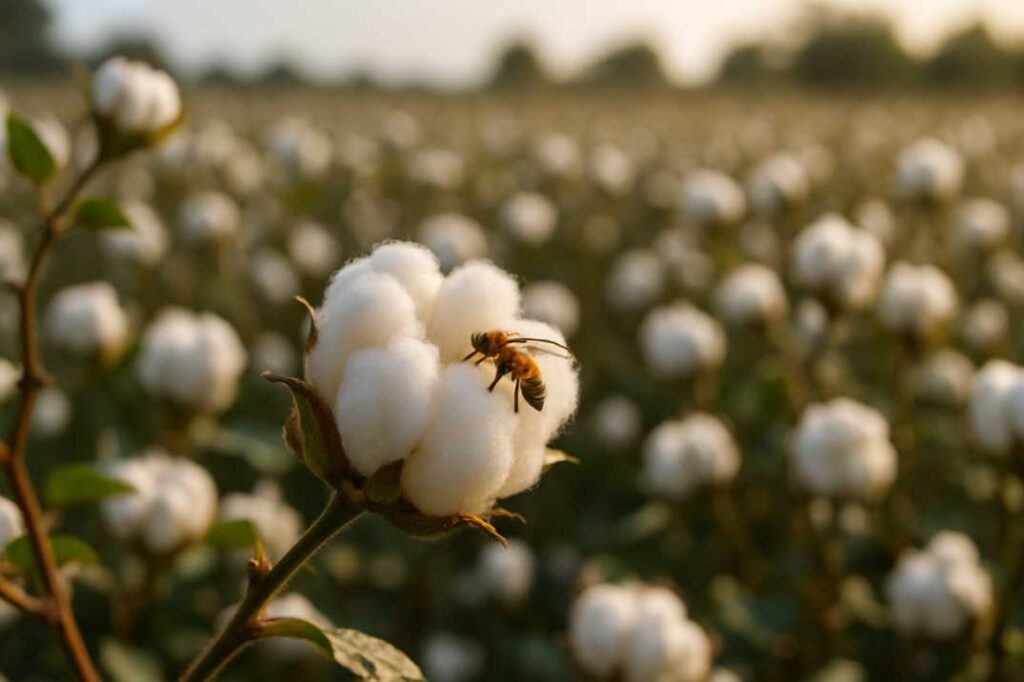
Cotton, a primary fiber crop used for textiles, often benefits from bee pollination. Pollination ensures a good seed set in the cotton plant. This strong start leads to a healthier, more robust yield of cotton fiber. Furthermore, bees also pollinate alfalfa, which feeds livestock.
They play a role in maintaining soil quality
The diverse plant life bees help propagate stabilize the soil with deep root systems. This extensive root network prevents erosion from wind and rain. For instance, in grasslands, bee-pollinated plants lock carbon into the soil. This action is crucial for fighting against climate change.
Why Are Bees Important For Natural Medicine and Health?
Humans have utilized bee products for their medicinal properties for thousands of years. Ancient civilizations recognized the healing power of substances from the hive. Modern science continues to study these products for new applications.
Honey possesses natural antimicrobial properties
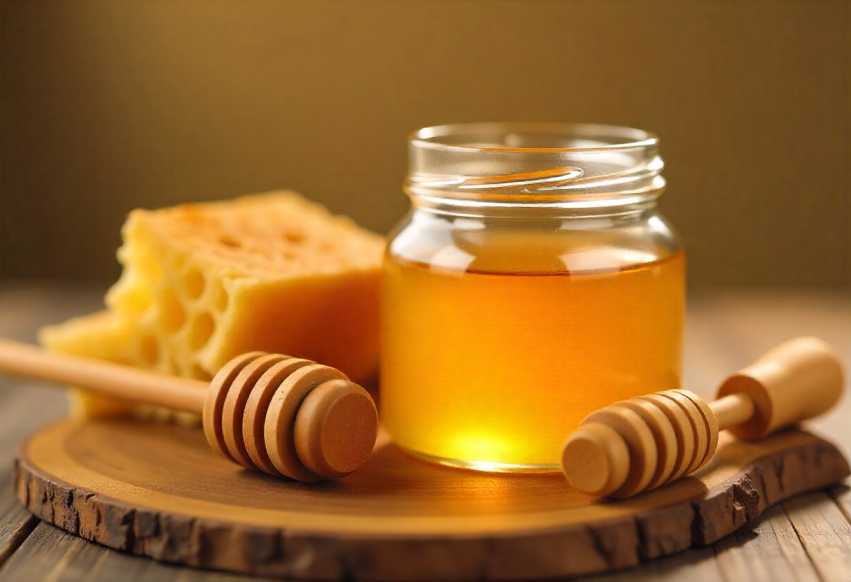
For generations, people used honey to treat wounds and soothe sore throats. This is because honey contains natural antimicrobial agents. It helps fight off certain bacteria, aiding in the healing process. Many people still use local honey as a natural home remedy.
Other bee products show therapeutic promise
Beyond honey, beeswax and propolis are sought after for health benefits. Propolis, a resinous material, exhibits anti-inflammatory and antioxidant properties. Royal jelly, a substance fed to queen bees, is also prized as a dietary supplement. These products underline why are bees important to holistic health.
Why Are Bees Important For Supporting Wild Ecosystems?
The wild, unmanaged ecosystems of the world depend heavily on their native bee populations. These areas include forests, mountains, and deserts. Here, wild bees ensure the health of plant life without human intervention. This natural balance is essential for the long-term health of our planet.
Native bees are crucial for specialized plant species
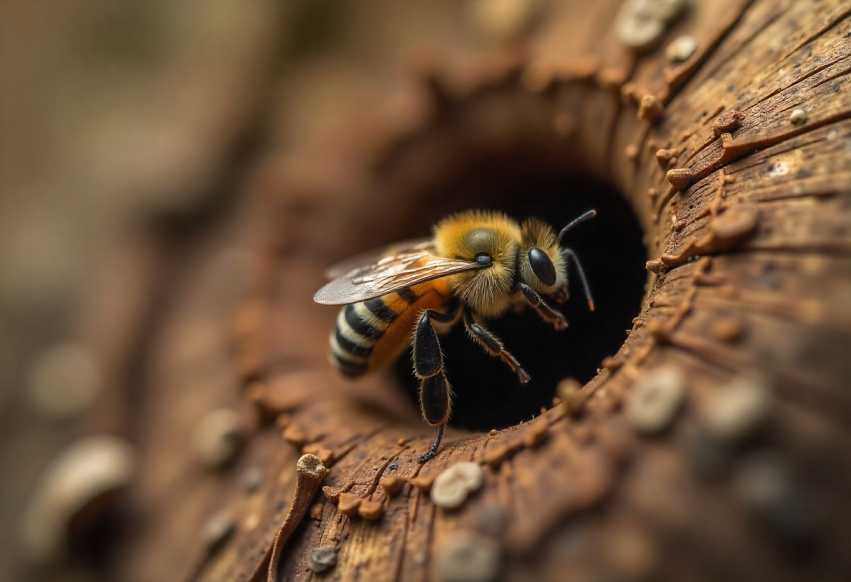
Many plants have co-evolved to be pollinated by one specific type of native bee. For example, some solitary bees are the only effective pollinators for specific wildflowers. These unique relationships maintain the richness of plant life. Losing just one bee species can cause the extinction of its partner plant.
They help ecosystems recover from disturbance
After events like wildfires or floods, rapid plant regrowth is essential. Wild bees ensure the fast reproduction of pioneer plant species. These plants stabilize the ground and initiate the recovery of the habitat. Their work accelerates the return of other wildlife to the area.
Why Are Bees Important For The Health of Livestock?
It may surprise you, but bees indirectly support the production of meat and dairy. The animals that produce these goods rely on certain bee-pollinated plants for food. Therefore, maintaining bee health is crucial for a stable supply chain.
Bees pollinate forage crops like clover and alfalfa
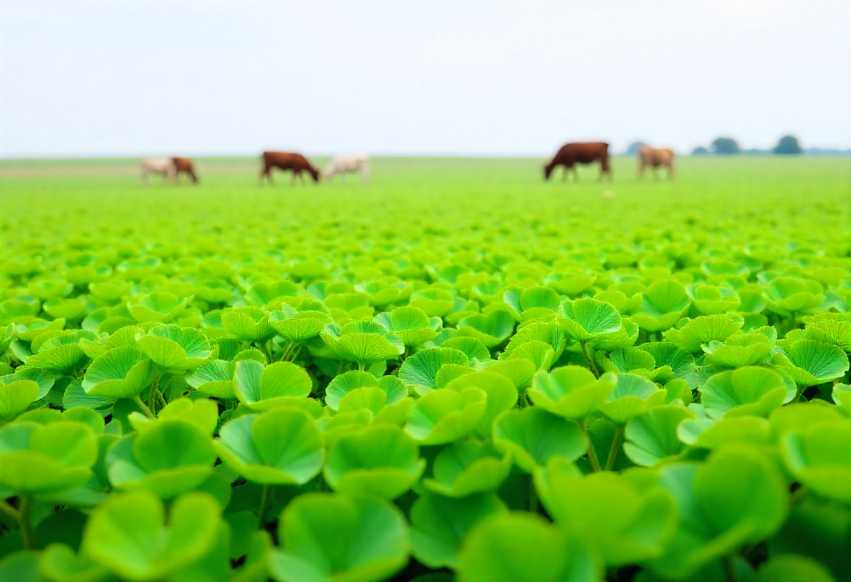
Cattle, sheep, and other livestock eat large quantities of forage crops. These crops include plants like alfalfa and clover. Bees are necessary to pollinate these plants and ensure a healthy seed set. A shortage of forage crops would drive up the cost of animal feed.
A lack of bee services impacts dairy and meat production
If forage crops decline, farmers must find alternative, potentially expensive feed sources. This raises the overall cost of producing milk, cheese, and meat. Ultimately, the price increase gets passed on to the consumer. This illustrates another critical economic connection.
Why Are Bees Important To Our Culture and History?
Bees have held a special place in human history and folklore for centuries. People revered them as symbols in various ancient cultures worldwide. Their organized societies and essential products made a lasting impression. This deep history highlights their long-standing relationship with humanity.
Bees appear in ancient mythology and art
Ancient Egyptians saw the honey bee as a symbol of royalty and power. The Greeks associated bees with fertility and wisdom. In many traditions, bees represent hard work, community, and the soul. These examples show their deep cultural significance.
Beekeeping practices are an ancient human tradition
Humans have practiced beekeeping for at least 9,000 years. People valued honey as a sweetener and preservative long ago. The tools and techniques of apiculture have been passed down through generations. This history emphasizes the continuous, deep connection we share.
Why Are Bees Important For Environmental Sustainability?
The need to protect bees is central to achieving global environmental sustainability. Bees provide an essential service that humans cannot fully replicate. Supporting bees means supporting a more resilient and sustainable future for all. This is a critical consideration for our changing world.
Protecting bees aligns with conservation efforts
Bees are considered a keystone species in many ecosystems. Their presence supports a wider variety of plant and animal life. Conservation efforts aimed at protecting bees benefit entire habitats. This makes bee protection a highly effective conservation strategy.
Their survival is key to a stable ecosystem function
A stable ecosystem can better withstand environmental stress like drought or disease. By ensuring plant reproduction, bees maintain this stability. Strong ecosystems provide us with clean air, clean water, and fertile soil.
Conclusion
Understanding why are bees important reveals their irreplaceable value. They are not simply honey-makers but the foundation of our food system. Bees support the diversity of life and ensure the health of our planet. Their role in agriculture and the global economy is vast. We must prioritize their protection through better conservation efforts. Every person can take small steps to help these critical, buzzing allies thrive. To learn more interesting explanations like this, feel free to explore the why-are.com homepage.
FAQs
Around one-third of the global human food supply relies on animal pollination. Bees perform the vast majority of this essential pollination work. This makes them crucial for the production of nearly 75% of our fruit, nut, and vegetable crops.
Many of the most nutritious and delicious foods would vanish without bees. This includes popular items like almonds, apples, avocados, blueberries, and coffee. We would still have wind-pollinated grains, but our diet would become very monotonous.
Honey bees are a single species often managed by beekeepers for honey production and crop pollination. Wild bees include over 20,000 different species like bumblebees and solitary bees. Wild bees are equally vital for pollinating native plants and certain crops.
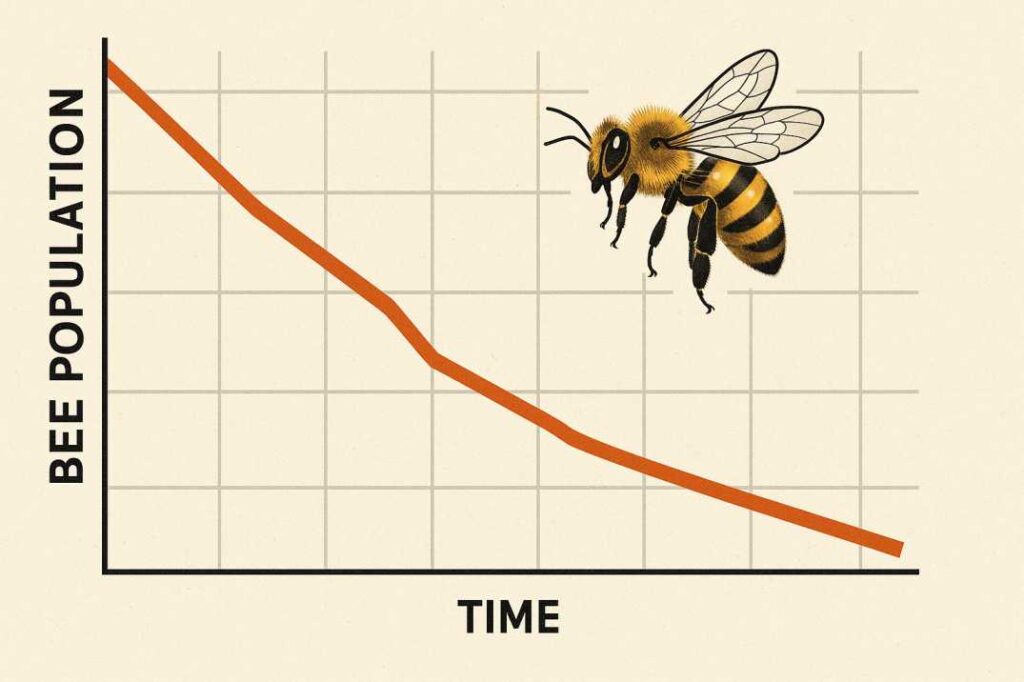
Bees face numerous threats leading to population decline globally. The major causes include habitat loss, especially the reduction of flowering meadows. Furthermore, the widespread use of harmful pesticides and the effects of climate change play a significant role.
You can help bees by planting native, nectar-rich flowers in your garden or on your balcony. Avoid using chemical pesticides that can poison foraging bees. Also, you can support local beekeepers who work hard to maintain healthy bee colonies.